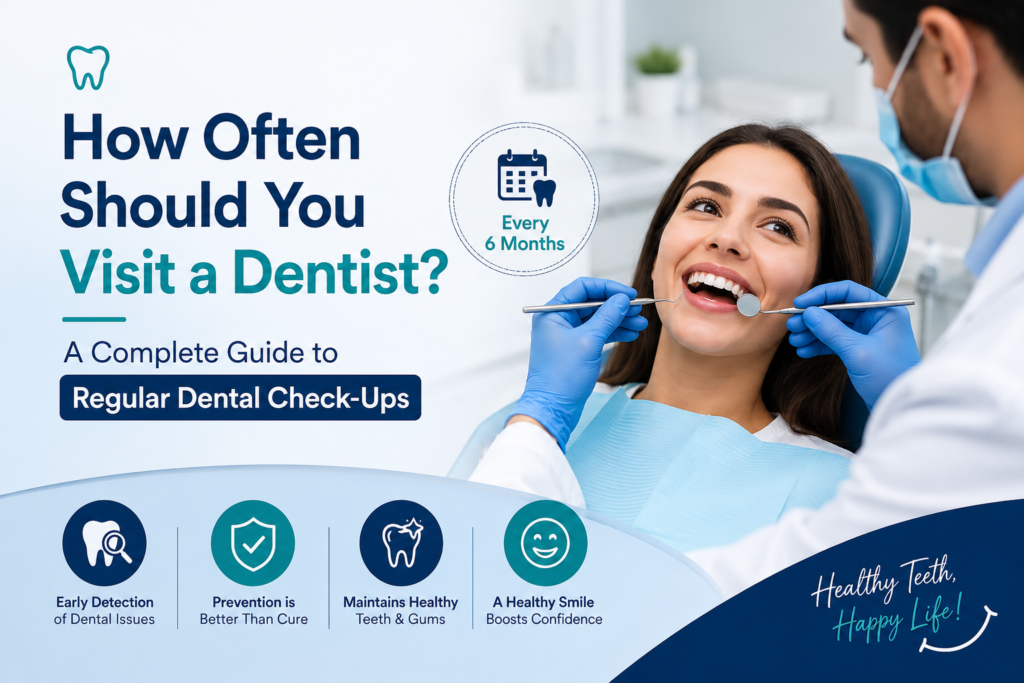
Maintaining good oral health is an important part of overall well-being, yet many people visit a dentist only when they experience tooth pain, bleeding gums, sensitivity, or another noticeable problem. Regular dental check-ups can help identify potential issues early and support healthier teeth and gums over time. But one common question remains: How often should you visit a dentist?
For many people, visiting a dentist regularly, often every six months, is a common recommendation. However, the ideal frequency can vary depending on your oral health, age, lifestyle, and risk of developing dental problems. Some people may need more frequent appointments, while others with consistently healthy teeth and gums may follow a different schedule recommended by their dentist.
Why Are Regular Dental Check-Ups Important?
Dental problems do not always cause pain or visible symptoms during their early stages. Cavities, gum disease, enamel wear, and other oral health concerns can sometimes develop gradually. A regular check-up gives a dental professional an opportunity to examine your teeth, gums, and mouth and identify potential concerns before they become more serious.
Professional dental visits may include an oral examination, assessment of the gums, professional cleaning when required, and other diagnostic procedures based on individual needs. These appointments also provide an opportunity to discuss concerns such as bad breath, tooth sensitivity, bleeding gums, jaw discomfort, or changes in oral hygiene habits.
Regular preventive care can help patients understand their oral health better and make informed decisions about daily brushing, flossing, diet, and other habits.
Is Visiting the Dentist Every Six Months Right for Everyone?
The six-month dental check-up schedule is a common guideline, but it is not necessarily the same for every individual. Your dentist may recommend a personalised recall schedule based on your specific oral health condition and risk factors.
People with healthy teeth and gums may be advised to visit at regular intervals determined by their dentist. However, individuals with a higher risk of dental problems may benefit from more frequent monitoring.
Factors that can influence how often you should visit a dentist include:
- Previous history of cavities or tooth decay
- Gum disease or bleeding gums
- Frequent plaque or tartar buildup
- Smoking or tobacco use
- Poor oral hygiene habits
- Tooth sensitivity or enamel erosion
- Ongoing orthodontic or restorative dental treatment
- Certain health conditions that may affect oral health
- Pregnancy-related changes in gum health
The best approach is to follow a schedule based on your individual needs rather than assuming one interval is suitable for everyone.
What Happens During a Regular Dental Check-Up?
A routine dental appointment can involve several steps depending on your oral health needs. The dentist may begin by examining your teeth and gums for signs of cavities, gum problems, cracks, wear, infection, or other concerns.
Your gums may also be assessed for signs of inflammation or periodontal problems. Gum health is particularly important because untreated gum disease can progress over time and may eventually affect the supporting structures around the teeth.
A professional cleaning may be recommended to remove plaque and hardened deposits that cannot always be completely removed through regular brushing at home. Depending on your situation, the dental team may also discuss areas that need additional attention during your daily oral care routine.
At I Smile Dental Care, patients can receive guidance regarding regular dental examinations and maintaining a suitable oral hygiene routine based on their individual dental needs.
Who May Need More Frequent Dental Visits?
Some people may need to see a dentist more often than others. For example, patients with active gum disease may require regular periodontal monitoring and professional care. Similarly, people who frequently develop cavities may benefit from closer observation and preventive recommendations.
Patients undergoing orthodontic treatment may also have different appointment schedules. Braces and other dental appliances can create areas where food particles and plaque accumulate more easily, making proper oral hygiene especially important.
Individuals with dental implants, crowns, bridges, or other restorations should also attend regular dental appointments so their dentist can monitor the condition of both the restoration and the surrounding oral tissues.
If you have experienced repeated dental problems in the past, your dentist may recommend shorter intervals between visits to help manage risks and detect changes early.
What Happens If You Skip Dental Check-Ups?
Skipping routine dental appointments does not always cause an immediate problem, but it may allow certain conditions to remain unnoticed. Early tooth decay, gum disease, small cracks, and other dental concerns can sometimes progress without obvious symptoms.
By the time severe pain develops, the condition may require more extensive treatment than it would have at an earlier stage. Regular dental visits can therefore play an important role in preventive oral healthcare.
In addition to professional care, patients should pay attention to warning signs between appointments. Persistent tooth pain, swelling, bleeding gums, unusual sensitivity, mouth sores that do not heal, or changes in the mouth should be discussed with a qualified dental professional.
How to Maintain Your Oral Health Between Dental Visits
Regular dental appointments work best when combined with consistent oral care at home. Brushing your teeth twice daily with fluoride toothpaste and cleaning between your teeth as advised by your dental professional can help reduce plaque buildup.
A balanced diet and limiting frequent consumption of sugary foods and drinks can also support better oral health. Drinking enough water and following proper oral hygiene habits throughout the day can further contribute to a healthy mouth.
It is also important not to ignore changes in your teeth or gums. Waiting until your next routine appointment may not always be appropriate if you are experiencing significant pain, swelling, injury, or another urgent dental concern.
The Bottom Line: Follow a Personalised Dental Check-Up Schedule
So, how often should you visit a dentist? While many people commonly schedule a check-up every six months, there is no single timetable that is perfect for everyone. Your ideal visit frequency should depend on your current oral health, dental history, and individual risk factors.
Regular check-ups allow dental professionals to monitor changes, provide preventive care, and offer guidance tailored to your needs. Whether you have healthy teeth or require ongoing dental treatment, maintaining a recommended appointment schedule can support long-term oral health.
I Smile Dental Careencourages patients to focus on preventive dental care and consult a qualified dentist to determine the most appropriate check-up schedule for their individual oral health needs. Consistent home care combined with regular professional dental visits can help you take a proactive approach to maintaining a healthier smile.