Brushing twice a day is essential, but it’s only the foundation of good oral health. Many people assume that brushing alone is enough to maintain a healthy smile, yet several overlooked habits play a powerful role in protecting teeth and gums. These lesser-known dental practices can significantly improve oral health, prevent long-term problems, and transform the appearance of your smile.
By adopting simple yet effective habits beyond brushing, you can strengthen your teeth, improve gum health, and reduce the risk of costly dental treatments in the future.
1. Rinsing Your Mouth After Every Meal
Rinsing your mouth with plain water after meals is a simple habit that many people ignore. This practice helps wash away food particles and acids that can damage enamel. It is especially beneficial after consuming sugary or acidic foods that encourage bacterial growth.
Even when brushing isn’t possible, rinsing helps neutralize acids and keeps the mouth cleaner throughout the day, reducing the chances of decay and bad breath.
2. Cleaning Your Tongue Daily
The tongue can hold a large amount of bacteria that contribute to bad breath and plaque buildup. While many people focus only on their teeth, neglecting the tongue allows bacteria to thrive and spread throughout the mouth.
Using a tongue cleaner or gently brushing the tongue daily helps reduce bacterial buildup, improves breath freshness, and supports overall oral hygiene.
3. Waiting Before Brushing After Acidic Foods
Brushing immediately after consuming acidic foods or drinks can actually harm tooth enamel. Acids temporarily soften the enamel, and brushing during this time can cause erosion.
Waiting at least 30 minutes before brushing allows saliva to neutralize acids and restore enamel strength. This small timing adjustment helps protect teeth from long-term damage.
4. Using the Right Brushing Pressure
Brushing harder does not mean cleaning better. Excessive pressure can wear down enamel and cause gum recession. A gentle, controlled brushing motion is far more effective and safer for teeth and gums.
Using a soft-bristled toothbrush and focusing on technique rather than force helps maintain healthy enamel and prevents sensitivity.
5. Drinking More Water Throughout the Day
Water plays a vital role in oral health. It helps flush away food debris, dilutes acids, and supports saliva production. Saliva is the mouth’s natural defense against bacteria and decay.
Staying hydrated keeps the mouth moist and reduces the risk of cavities, gum disease, and dry mouth, which can lead to discomfort and bad breath.
6. Being Mindful of Snacking Frequency
Frequent snacking, especially on sugary or starchy foods, increases acid exposure and raises the risk of tooth decay. Each time you eat, bacteria produce acids that attack enamel.
Limiting snacking and choosing tooth-friendly foods helps protect teeth. When snacking is necessary, rinsing with water afterward can minimize damage.
7. Scheduling Regular Dental Checkups
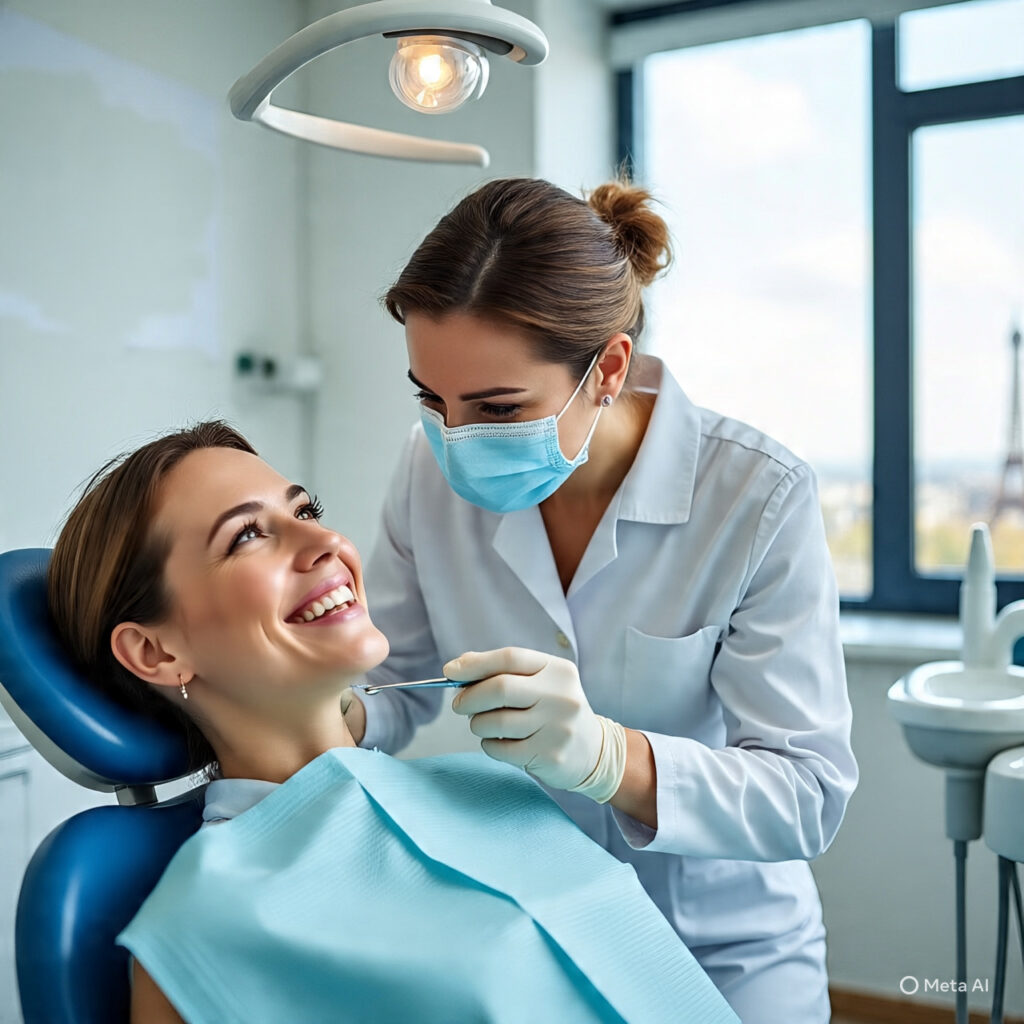
Even with excellent at-home care, professional dental visits are essential. Regular checkups help identify hidden issues such as early cavities, gum disease, or enamel wear before they become serious problems.
Dental professionals also provide personalized advice and preventive treatments that support long-term oral health. Clinics like I Smile Dental Care focus on preventive care to help patients maintain strong teeth and healthy gums.
How These Habits Improve Long-Term Oral Health
Incorporating these habits into daily life strengthens enamel, reduces bacterial buildup, and supports gum health. Over time, these small changes lead to fewer dental issues, less sensitivity, and a brighter, healthier smile.
Preventive habits also help avoid complex dental procedures by addressing issues early. Consistency is key, as daily care combined with professional support creates the best results.
The Confidence That Comes with a Healthy Smile
A healthy smile boosts confidence and improves quality of life. Fresh breath, clean teeth, and healthy gums allow individuals to speak, laugh, and smile without hesitation. When oral health is maintained, people feel more comfortable in social and professional settings.
These little-known habits may seem minor, but their impact on long-term oral health and appearance is significant.
Making Oral Care a Lifestyle
Oral health is not just about routine brushing—it’s about building a lifestyle that supports healthy teeth and gums. By adopting these habits and staying consistent with dental checkups, individuals can enjoy a strong, confident smile for years to come.
With professional guidance from trusted clinics such as I Smile Dental Care, transforming your smile becomes a simple and achievable goal.