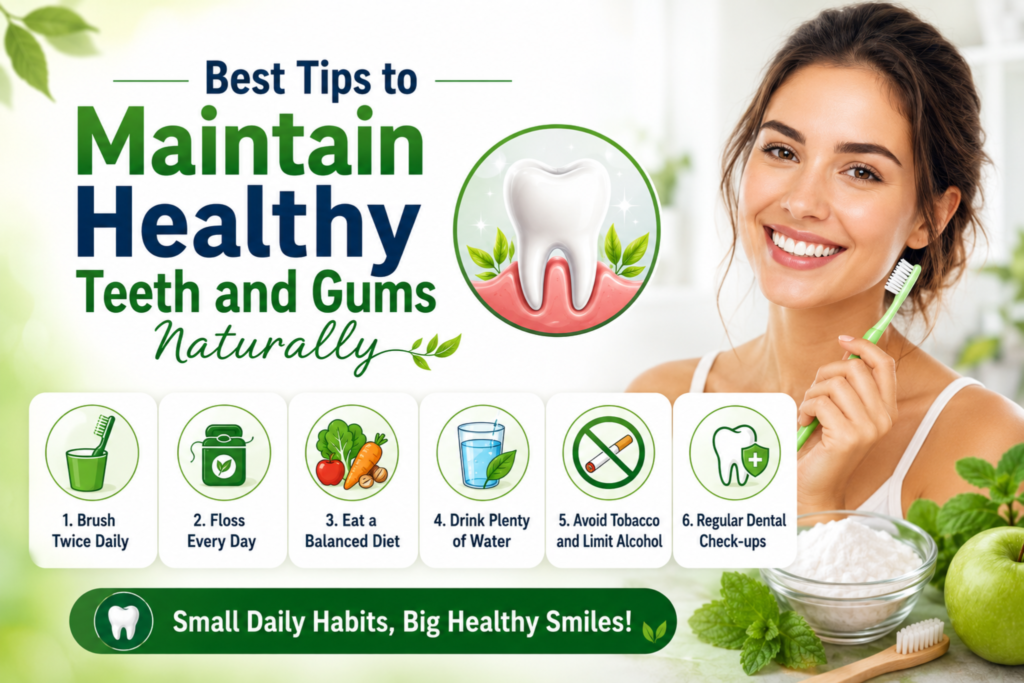
Healthy teeth and gums are essential for maintaining overall health and confidence. Good oral hygiene not only helps you achieve a bright smile but also protects against dental problems such as cavities, gum disease, bad breath, and tooth sensitivity. Many people focus only on brushing their teeth, but proper oral care involves a combination of healthy habits, preventive care, and regular dental checkups.
Natural oral care practices can significantly improve dental health and reduce the risk of long-term oral problems. Simple daily routines, healthy eating habits, and proper dental hygiene can help maintain strong teeth and healthy gums for years.
At I Smile Dental Care, patients are encouraged to follow preventive oral care practices that support long-term dental health naturally and effectively.
Brush Your Teeth Properly Twice a Day
Brushing your teeth regularly is one of the most important steps for maintaining healthy teeth and gums. Dentists generally recommend brushing at least twice a day using a soft-bristled toothbrush and fluoride toothpaste.
Proper brushing helps remove food particles, bacteria, and plaque buildup from the teeth and gum line. However, brushing too aggressively may damage tooth enamel and irritate the gums.
Some useful brushing tips include:
- Brush for at least two minutes
- Use gentle circular motions
- Clean all sides of the teeth
- Replace your toothbrush every three months
Consistent brushing helps prevent tooth decay, gum disease, and bad breath naturally.
Floss Daily for Better Gum Health
Flossing is often ignored, but it plays a major role in maintaining healthy gums. A toothbrush cannot always reach the tight spaces between teeth where food particles and plaque accumulate.
Daily flossing helps remove trapped debris and bacteria from between teeth, reducing the risk of gum inflammation and cavities. Healthy gums are essential for strong teeth and long-term oral health.
Regular flossing also helps improve overall cleanliness of the mouth and prevents plaque buildup in hard-to-reach areas.
Use a Mouthwash for Extra Protection
Using an antibacterial or fluoride mouthwash can provide additional protection against oral bacteria and plaque. Mouthwash helps freshen breath, reduce harmful germs, and support healthier gums.
It also helps clean areas of the mouth that may be difficult to reach with brushing and flossing alone. Choosing an alcohol-free mouthwash may help avoid dryness and irritation for sensitive mouths.
Adding mouthwash to your daily oral care routine can contribute to cleaner teeth and improved gum health.
Follow a Healthy and Balanced Diet
Diet plays an important role in maintaining healthy teeth naturally. Consuming nutritious foods strengthens teeth and gums while reducing the risk of oral diseases.
Some tooth-friendly foods include:
- Fresh fruits and vegetables
- Dairy products rich in calcium
- Nuts and seeds
- Leafy green vegetables
- Foods rich in vitamin C
Drinking plenty of water also helps wash away food particles and bacteria from the mouth.
Limiting sugary foods and acidic drinks is equally important because excess sugar can increase the risk of cavities and enamel erosion.
Avoid Tobacco and Smoking
Smoking and tobacco use can seriously affect oral health. They increase the risk of gum disease, tooth discoloration, bad breath, oral infections, and oral cancer.
Tobacco products reduce blood flow to the gums, making it harder for the mouth to heal and fight infections. Quitting smoking can significantly improve gum health and overall oral hygiene.
Maintaining a tobacco-free lifestyle supports healthier teeth, fresher breath, and stronger gums naturally.
Stay Hydrated Throughout the Day
Water is one of the simplest natural ways to maintain oral health. Drinking enough water helps rinse away food particles and bacteria while keeping the mouth hydrated.
A dry mouth can encourage bacterial growth and increase the risk of bad breath and tooth decay. Proper hydration supports saliva production, which naturally protects teeth from harmful acids and bacteria.
Choosing water over sugary beverages is a healthier option for both oral and overall health.
Protect Your Teeth from Damage
Many people unknowingly damage their teeth through habits like nail biting, chewing ice, or using teeth to open objects. These habits may lead to chipped teeth, enamel wear, or gum injuries.
If you participate in sports activities, wearing a mouthguard can help protect your teeth from accidental injuries.
Avoiding harmful habits helps maintain stronger and healthier teeth for the long term.
Schedule Regular Dental Checkups
Even with proper home care, regular dental visits remain important for maintaining oral health naturally. Professional dental checkups help identify early signs of dental problems before they become severe.
Routine examinations and cleanings remove plaque buildup and allow dentists to monitor the condition of your teeth and gums. Preventive care can save time, discomfort, and treatment costs in the future.
At I Smile Dental Care, patients receive personalized dental guidance and preventive care solutions designed to support long-term oral health.
Manage Stress and Teeth Grinding
Stress can sometimes contribute to oral health issues such as teeth grinding or jaw clenching. Grinding teeth may cause enamel damage, jaw pain, headaches, and tooth sensitivity over time.
Practicing stress management techniques, improving sleep quality, and using protective night guards when recommended can help reduce the impact of teeth grinding.
Protecting your teeth from unnecessary pressure supports long-term dental health and comfort.
Teach Good Oral Hygiene Habits Early
Developing healthy dental habits from childhood can create long-lasting oral health benefits. Teaching children proper brushing, flossing, and healthy eating habits encourages stronger teeth and gums as they grow.
Parents should also schedule regular dental visits for children to monitor proper tooth development and prevent cavities early.
Good oral hygiene habits practiced consistently throughout life help maintain a healthy and confident smile.
Conclusion
Maintaining healthy teeth and gums naturally requires a combination of proper oral hygiene, healthy eating habits, preventive care, and regular dental checkups. Simple daily practices such as brushing, flossing, staying hydrated, and avoiding harmful habits can make a significant difference in long-term oral health.
Healthy gums and strong teeth not only improve appearance but also contribute to overall well-being and confidence. Preventive dental care is always more effective and affordable than treating serious dental problems later.
At I Smile Dental Care, patients receive professional guidance and quality dental care focused on maintaining healthy smiles naturally. Following these natural oral care tips consistently can help protect your teeth and gums for many years to come.