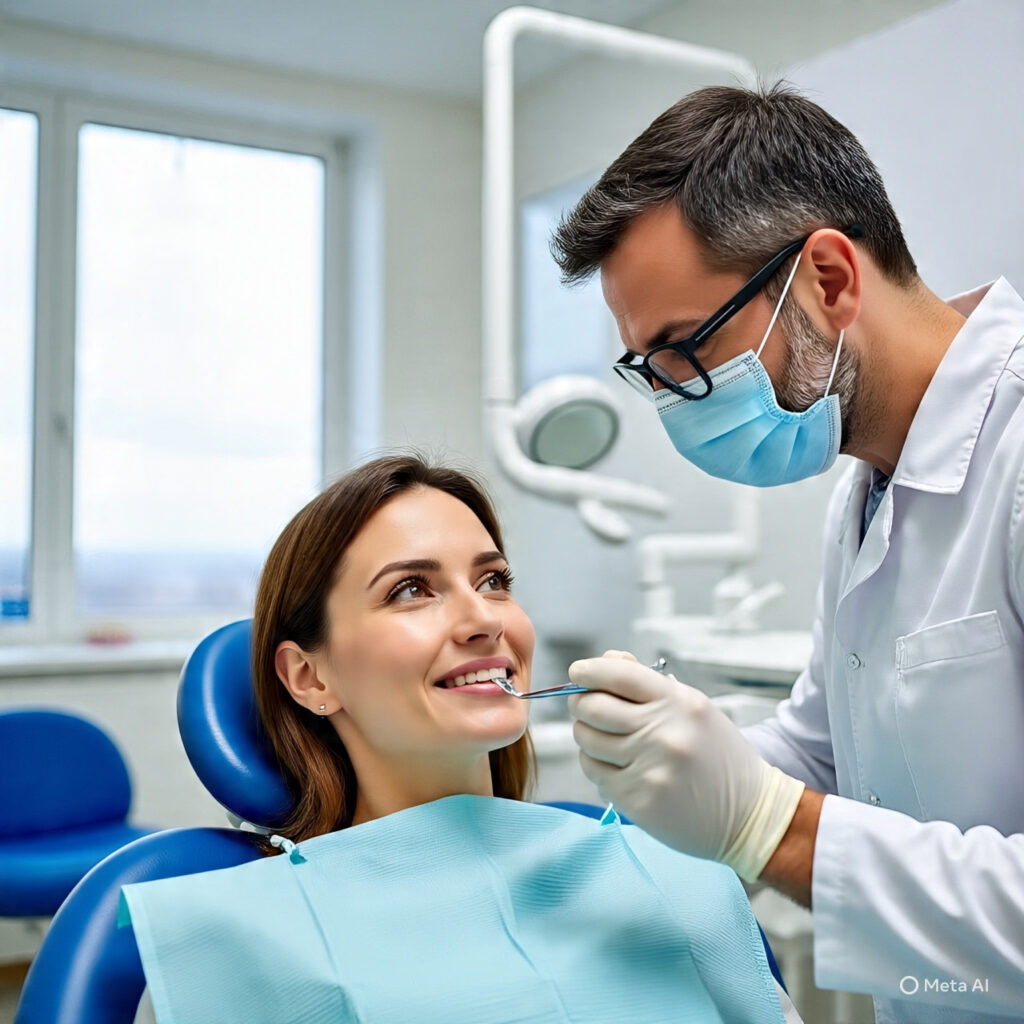
Oral hygiene is often considered simply a matter of keeping our teeth clean and preventing cavities, but the truth is, maintaining good oral health has far-reaching effects on the entire body. Many people underestimate the profound impact that oral hygiene can have on overall well-being. From heart health to mental wellness, the condition of your mouth can influence your body in ways you might not expect. At I Smile Dental Care, we emphasize the importance of regular dental care not just for a beautiful smile, but for a healthier life.
Understanding Oral Hygiene
Oral hygiene refers to the practices that keep your mouth, teeth, and gums clean and free from disease. This includes brushing twice a day, flossing daily, using mouthwash, and attending routine dental checkups. Poor oral hygiene can lead to dental problems such as cavities, gum disease, and bad breath. However, recent research highlights that neglecting oral health can contribute to systemic health issues that extend far beyond your mouth.
How Oral Health Affects the Heart
Several studies have shown a strong link between gum disease (periodontitis) and cardiovascular problems. Inflammation caused by gum disease can allow bacteria to enter the bloodstream, potentially leading to arterial inflammation and increased risk of heart disease. Poor oral health may also contribute to high blood pressure and stroke. By maintaining proper oral hygiene, you are not only protecting your teeth but also supporting your heart’s health. Regular visits to a trusted clinic like I Smile Dental Care can help prevent gum disease and identify early signs of heart-related complications.
Diabetes and Oral Health
Diabetes and oral health share a bidirectional relationship. People with diabetes are more susceptible to infections, including gum disease. Conversely, severe gum disease can make it more difficult to control blood sugar levels. This makes it crucial for individuals with diabetes to maintain optimal oral hygiene. Daily brushing, flossing, and dental checkups play an essential role in managing blood sugar levels and reducing the risk of diabetes-related complications.
Oral Health and Pregnancy
Pregnancy brings hormonal changes that can affect oral health, increasing the risk of gum inflammation and infection. Gum disease during pregnancy has been linked to preterm birth and low birth weight. Maintaining oral hygiene and visiting a dentist during pregnancy are essential steps to protect both the mother and baby. Dentists can provide guidance on safe dental treatments and preventive care tailored for expecting mothers.
Respiratory Health and Oral Hygiene
Poor oral hygiene can also influence respiratory health. Bacteria from infected gums and teeth can be inhaled into the lungs, leading to infections such as pneumonia, especially in older adults or those with compromised immune systems. Regular dental care, including cleaning and professional checkups, helps reduce bacterial buildup and lowers the risk of respiratory complications.
Mental Health and Oral Well-Being
It might surprise many that oral health can even impact mental well-being. Chronic dental pain or untreated oral infections can cause stress, anxiety, and sleep disturbances. Moreover, self-consciousness about dental appearance can affect social interactions and self-esteem. By maintaining good oral hygiene, you not only protect your physical health but also support your mental and emotional well-being.
Nutrition, Diet, and Oral Health
A healthy diet complements good oral hygiene practices. Consuming excessive sugar and processed foods can lead to tooth decay and gum problems. On the other hand, a diet rich in fruits, vegetables, lean proteins, and calcium supports strong teeth and healthy gums. Drinking plenty of water and limiting sugary snacks are simple yet effective strategies for preventing oral health issues.
Prevention is Better Than Cure
Preventive dental care is the key to sustaining both oral and overall health. Regular dental checkups allow early detection of issues such as cavities, gum disease, and oral cancer. Dentists can provide personalized advice, professional cleanings, and treatments that prevent minor problems from escalating into major health concerns. Clinics like I Smile Dental Care focus on preventive care, ensuring that patients maintain optimal oral health and overall wellness.
Daily Habits for a Healthy Mouth
Maintaining good oral hygiene requires consistency and the right techniques. Here are some essential practices recommended by dental experts:
- Brush twice daily with fluoride toothpaste, using gentle circular motions.
- Floss once daily to remove plaque and food particles between teeth.
- Use mouthwash to reduce bacteria and freshen breath.
- Limit sugary and acidic foods to protect tooth enamel.
- Stay hydrated to promote saliva production, which naturally protects teeth.
- Schedule regular dental visits every six months for professional cleaning and examination.
These habits, when followed diligently, can prevent oral diseases and protect your overall health.
Final Notes
Oral hygiene is much more than just having a bright, attractive smile. It is a fundamental aspect of overall health, influencing heart health, diabetes management, pregnancy outcomes, respiratory wellness, and even mental well-being. By prioritizing oral care and visiting a reputable dental clinic like I Smile Dental Care, you are taking proactive steps toward maintaining not just a healthy mouth, but a healthier life overall. Remember, your mouth is the gateway to your body—treat it with care, and your entire body will benefit.